Eye Care at School & Work: 5 Essential Tips

Back to School and Office: Caring for Your Eyes
September's momentum builds fast. Within weeks, most of us settle into the autumn routine—and with it comes less time outdoors, more hours in front of screens, and often a spike in stress. These factors take a real toll on your eyes.
Your eyes aren't designed for relentless indoor work. They need movement, variety, and rest. The good news: small changes make a measurable difference. Our optometry team at KSA Silmakeskus has put together practical advice to keep your vision sharp and comfortable through the demanding months ahead.
1. The 20-20-20 Rule
Staring at a screen for hours triggers eye fatigue and dryness. Combat it with the 20-20-20 rule: every 20 minutes, look at something 20 metres away for 20 seconds. That's it. Your eye muscles relax, tension drops, and you reset your focus.
Set a reminder on your phone if you need to. It works.
2. Don't Forget to Blink
This sounds obvious. It isn't practised. When you focus on a screen, your blink rate plummets—sometimes by half. Blinking lubricates your eyes naturally. Consciously remind yourself to blink while working. If your eyes become very dry despite this, artificial tears can help. But speak to a specialist first. Not all drops suit every eye, and the right choice matters.
3. Master Your Lighting
Bad lighting strains your eyes. Position your desk so natural light comes from the side, not behind your screen (glare is the enemy). If your workspace feels dim, add a task light—but avoid harsh overhead fluorescents pointing straight down.
Many modern screens emit blue light that can feel harsh by afternoon. Most devices now have a 'night light' or 'blue light filter' setting. Turn it on as the day wears on. Warmer tones are easier on the eyes, especially in the evening.
If you spend most of your day in front of screens, it's worth understanding digital eye strain and what you can do about it.
4. Position Matters
Your setup affects your eyes more than you'd think. Place your screen at eye level or slightly below—roughly 50–70 cm from your eyes. Sit with your neck, spine, and shoulders aligned. Adjust your chair height so your feet rest flat on the floor.
Poor posture forces your eyes to work harder and increases fatigue. Good ergonomics cost nothing and pay dividends.
5. Eat and Drink for Your Eyes
Nutrition shapes eye health. Vitamin A, omega-3 fatty acids, and antioxidants all protect your vision. Eat carrots, fatty fish like salmon, leafy greens (spinach, kale), and colourful vegetables. These aren't just eye food—they're good fuel for sustained focus.
Drink enough water. Dehydration affects your whole body, including your eyes. Aim for 2 litres daily, more if you're active.
6. Regular Eye Checks
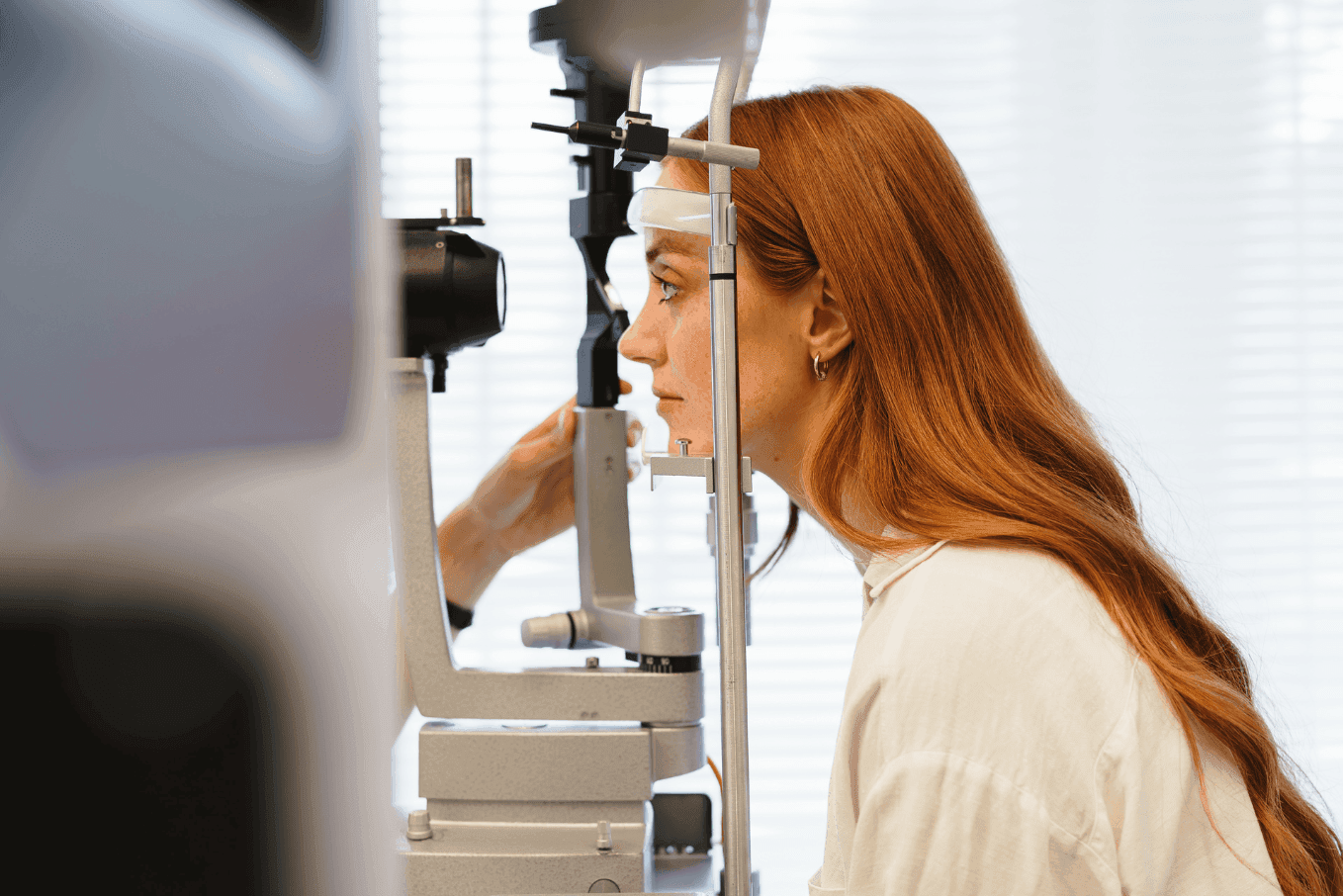
See an eye specialist at least once a year, even if your vision feels fine. Early detection of problems—refractive errors, dry eye, pressure changes—prevents complications down the line. If you wear glasses or contact lenses, ensure your prescription is current and matches your actual needs.
At KSA Silmakeskus, we've performed over 55,000 procedures and see thousands of patients annually. Regular checks are the foundation of good eye health.
7. Maintain Your Glasses and Contacts
If you wear glasses, clean them with a soft cloth before each use. Never use your sleeve or paper towels—they scratch. Replace contact lenses on schedule. Overwearing lenses or poor hygiene leads to infection and discomfort. Follow your eye care professional's instructions exactly.
The Bottom Line
Your eyes are working hard. Give them the breaks, light, and care they deserve. Small habits compound over weeks and months. By winter, you'll notice sharper focus, less fatigue, and genuinely more comfortable vision.
If eye strain persists despite these changes, book an appointment. Sometimes the issue runs deeper—an outdated prescription, astigmatism, or dry eye syndrome. That's what we're here for.
Author
KSA Silmakeskus
KSA Vision Clinic
KSA Vision Clinic is Estonia's leading eye clinic, specialising in Flow3 laser correction, dry eye diagnostics and treatment, and comprehensive eye examinations. Our blog shares expert knowledge about eye health.